
Have you ever wondered why streets in Tokyo feel like a maze, while Kyoto and Osaka are so easy to navigate?
The answer lies in the grand urban planning of Japan’s history, ranging from ancient imperial capitals to post-disaster reconstructions.
東京・京都・大阪の道路(どうろ)の違い
みなさんは日本の町を歩いたことがありますか?道がわかりやすいと感じましたか、それとも迷(まよ)ってしまいましたか?
実は、日本の道は地域(ちいき)によって形(かたち)が全然(ぜんぜん)違います。
大阪や京都の道に慣(な)れている人は、東京の道がとてもわかりにくく感じます。 なぜなら、東京は「皇居(こうきょ)」を中心に、丸く囲(かこ)む道路(環状道路)と、そこから外側へ真っ直ぐ伸びる道路(放射状道路)でできているからです。
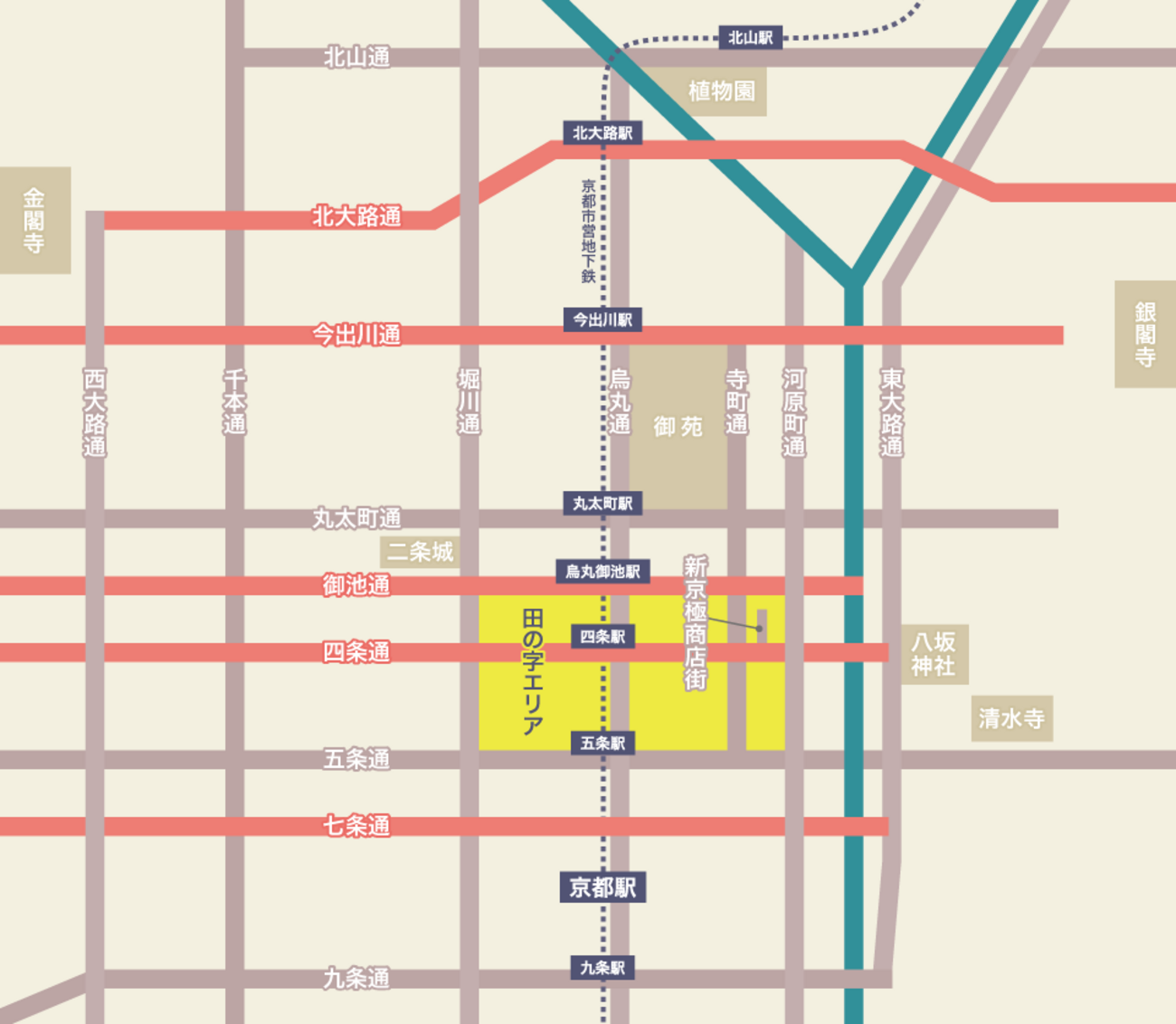
一方、京都や大阪は、チェスボードのように縦(たて)と横(よこ)の線がまっすぐ交わる「碁盤(ごばん)の目」の構造(こうぞう)になっています。
京都と大阪の「碁盤(ごばん)の目」
同じ「碁盤の目」でも、京都と大阪では道の名前の付け方が少し違います。
- 京都: 東西(とうざい)の道も、南北(なんぼく)の道も、すべて「〇〇通(どおり)」と呼びます。
- 大阪: 東西の道を「通(とおり)」、南北の道を「筋(すじ)」と呼びます。
京都や大阪では、このルールの違いと道の名前さえ覚えてしまえば、自分が今どこにいて、目的地(もくてきち)までどちらに歩けばいいのかが直感的にわかるようになります。
都市計画(としけいかく)に隠(かく)された歴史
このような街(まち)の形は、その街が作られた時代の世相(せそう)や歴史をそのまま映(うつ)し出しています。
- 京都: 歴史が古く、当時の天皇(てんのう)が「平安京(へいあんきょう)」という都(みやこ)を作るとき、古い中国の都市(長安)の街づくりを参考にしました。
- 大阪: 16世紀末に天下(てんか)を統一(とういつ)した有名な武将(ぶしょう)、豊臣秀吉(とよとみひでよし)が作った町です。こちらも中国の都市計画の影響を受けて、きれいに区画整理(くかくせいり)されました。
- 東京: 街としては比較的(ひかくてき)新しいです。1923年の「関東大震災(かんとうだいしんさい)」という大地震の後、街を新しく作り直す復興(ふっこう)にともなって、今の道の原型(げんけい)ができました。東京の中心は、駅ではなく「皇居(天皇ご一家のお住まい)」なのです。
都市計画という大きな視点(してん)から歴史を眺(なが)めてみると、いつものお散歩がもっとおもしろくなりますね。 みなさんの国の街づくりには、どんな歴史がありますか?
Summary: Walking Through History
The layout of Japan’s major cities reflects the eras in which they were designed. While Tokyo features a complex radial and circular web centered around the Imperial Palace—largely reorganized during the post-1923 earthquake reconstruction—Kyoto and Osaka retain a neat grid system influenced by ancient Chinese urban planning. Understanding these patterns, like Osaka’s distinction between “Tori” (east-west) and “Suji” (north-south), not only makes navigating easier but also turns a simple walk into a fascinating journey through time.
Vocab List
環状道路
・Noun
・かんじょうどうろ:Ring road / Circular road
例 環状道路といっても、まん丸(まる)ではない。
Even though it’s called a ring road, it’s not perfectly circular.
放射状
・Noun
・ほうしゃじょう:Radial pattern
例 朝日(あさひ)の光(ひかり)が放射状に広がっていく。
The morning sun’s rays spread out radially.
碁盤の目
・Noun
・ごばんのめ:Grid pattern (like a Go or chess board)
例 碁盤の目に建(た)てられた団地群(だんちぐん)は高度(こうど)経済(けいざい)成長期(せいちょうき)に建てられた。
The apartment complexes, laid out in a grid pattern, were built during the period of rapid economic growth.
直感的に
・Adverb
・ちょっかんてきに:Intuitively
例 このスマホは直感的に使(つか)えるので、子供(こども)からお年寄(としよ)りにまで人気(にんき)だ。
This smartphone is easy to use intuitively, making it popular with everyone from children to the elderly.
都市計画
・Noun
・としけいかく:Urban planning
例 都市計画は、とても複雑(ふくざつ)で難(むずか)しい。
Urban planning is very complex and difficult.
世相
・Noun
・せそう:Social conditions / Phases of the times
例 若者(わかもの)の考(かんが)え方(かた)は世相を映(うつ)す鏡(かがみ)だ。
The way young people think is a mirror reflecting the state of society.
武将
・Noun
・ぶしょう:Military commander / Samurai warlord
例 戦国(せんごく)武将をテーマにしたゲームが人気(にんき)だ。
Games themed around Sengoku-era warlords are popular.
区画整理
・Noun
・くかくせいり:Land readjustment / Town lot subdivision
例 昔(むかし)の日本(にほん)は、当時(とうじ)の中国(ちゅうごく)をお手本(てほん)に区画整理をした。
In the past, Japan used the Chinese model for its urban planning and urban organization.
復興
・Noun
・ふっこう:Reconstruction / Revival
例 震災(しんさい)の復興事業(じぎょう)は被災者(ひさいしゃ)に賛同(さんどう)されなかった。
The reconstruction efforts following the earthquake were not supported by the victims.
原型
・Noun
・げんけい:Prototype / Original form
例 赤(あか)ちゃんのころから一緒(いっしょ)に寝(ね)ているクマのぬいぐるみはもはや原型をとどめていない。
The teddy bear that I’ve slept with since I was a baby is no longer recognizable.




Comments