

Can you imagine going to a restaurant or traveling to another country all by yourself?
In Japan, an increasing number of people—even those in relationships—prefer to spend their free time alone. This lifestyle is known as “Solo-Katsu.”
Statistics show that roughly half of Japanese adults enjoy solo hobbies. Far from being seen as “lonely,” being an “Ohitorisama” is often viewed as a sign of independence and fulfillment.
Today, let’s dive into what “Solo-Katsu” is all about and see where we draw the line between independence and loneliness.
「ソロ活」とは?
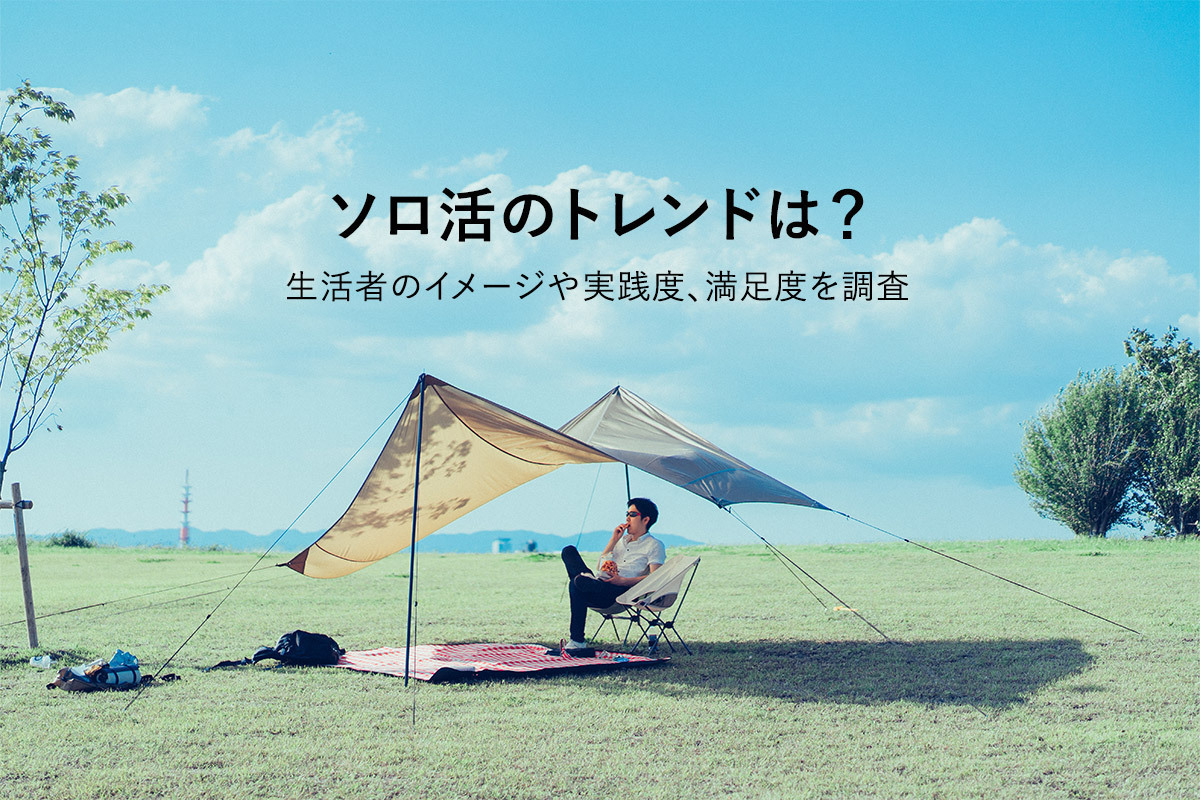
日本には、1人で趣味を楽しむ「ソロ活動」、略して「ソロ活」という言葉があります。また、1人の客を丁寧に呼ぶ「おひとりさま」という言葉もよく使われます。
驚くことに、日本の大人の約半数が、1人の時間を楽しんでいるというデータもあります。日本では、1人でいることは決してネガティブなことではありません。むしろ、「自分の時間を大切にしていて充実している人」と思われることすらあります。
そのため、「1人カラオケ」や「1人焼肉」といった、おひとりさま専用のサービスもたくさんあります。
ソロ活:わたしの場合
私もソロ活を楽しみますが、どこまで1人でできるかはイベントによります。
- できる: 1人カラオケ、1人カフェ、1人映画、1人国内旅行、1人ショッピング
- できない: 1人フレンチフルコース、1人海外旅行、1人キャンプ
国内旅行は、誰にも気兼ねなく、自分の好きな時間に好きなことができるので最高です。でも、海外旅行となると、やはり家族や友だちとおしいいものを共有したいという気持ちが勝ってしまいます。
世界と日本の「おひとりさま」事情
このソロ活文化は、日本独自のものなのでしょうか?
欧米や他のアジアの国では、多くのサービスがカップルや家族向けに設計されている印象があります。例えば、韓国の地元の小さな食堂では「1人分は注文できない」と言われることもあったり、アメリカでは一人でレストランに入るのは結構勇気が必要だと言ってる人もいました。
一方で、世界中から集まるバックパッカーのように、1人旅を愛する人は世界中にいます。そう考えると、ソロ活は日本独特の文化というより、「個人の自由を楽しむ新しいライフスタイル」として世界に広がっているのかもしれません。
English Summary: Finding Happiness in Solitude
“Solo-Katsu” refers to the actively enjoying alone, and it has become a mainstream cultural trend in Japan. From solo karaoke to solo dining, Japan offers a wide range of services tailored for individuals.
While some activities like domestic travel offer a sense of total freedom and no social pressure (kigane), others like overseas travel might still feel a bit lonely for some. Whether this is a unique Japanese trait or a growing global trend, being able to enjoy one’s own company is increasingly seen as a “cool” and mature way to live. How about you? Are you a fan of “Solo-Katsu”?
Vocab List
ソロ活
・Noun
・そろかつ:Solo activities / Actively doing things alone
例 経済界はソロ活市場の拡大に注目している。
The business community is paying close attention to the expansion of the solo activity market.
おひとりさま
・Noun
・おひとりさま:A person being/doing something alone (polite)
例 結婚していても、たまにおひとり様で自分のためだけに贅沢に時間を使いたい。
Even when married, I occasionally want to indulge in some luxurious time just for myself.
媒体
・Noun
・ばいたい:Media / Medium
例 私の会社はネットから新聞まで幅広い媒体を運営している。
My company operates a wide range of media outlets, from the internet to newspapers.
概ね
・Noun, Adverb
・おおむね:Generally / Mostly
例 新商品の評判は概ねいい。
The new product has generally received good reviews.
充実 します
・Verb G3
・じゅうじつ します:Fulfilling / Satisfying
例 このスーパーはワインが充実しているのでよく来る。
I often come to this supermarket because it has a great selection of wine.
気兼ねなく
・Expression
・きがねなく:Without feeling hesitant / Without worrying about others
例 (店員)何か必要なものがございましたら気兼ねなく仰ってください。
(Staff) If there’s anything you need, please don’t hesitate to ask.
独自 の+名詞
・Noun
・どくじ の +名詞:Unique / Original
例 日本独自の言葉だと思っていたけど、”ズボン”はフランス語が由来らしい。
I thought it was a uniquely Japanese word, but apparently “pants” comes from French.
共有します
・Verb G3
・きょうゆう します:To share
例 部長の昇格はすぐ社内に共有された。
The promotion of the department head was immediately shared throughout the company.
界隈
・Noun
・かいわい:Neighborhood / Circle / Community
例 10年ほど前からソロ活界隈が少しずつ盛り上がってきて、コロナで一気に加速した。
About ten years ago, the solo activity scene started to gradually gain momentum, and COVID-19 accelerated it dramatically.
設計されます
・Verb G3 , Passive Voice
・せっけい されます:Designed
例 このレストランのサービスやメニューは、小さいお子さんを持つファミリー層に向けて設計されている。
The service and menu at this restaurant are designed with families with young children in mind.
参考URL








Comments