

Did you know that Japanese people perceive words differently depending on which script they are written in?
As a Japanese learner, you probably know that ひらがな (Hiragana), カタカナ (Katakana), and 漢字 (Kanji) have different grammatical roles.
However, beyond the rules, each script carries its own unique “feeling.”
A simple change from “ねこ” to “ネコ” or “猫” can shift the word’s entire impression from affectionate to objective, or even slightly distant.
Today, let’s explore the psychological nuances of Katakana and the other Japanese scripts.
三種類の文字と日本人の感覚
みなさんが日本語を習ったとき、文字の使い分けについてこう習ったはずです。
ひらがな: 日本古来の言葉、文法的なパーツ(助詞など)
カタカナ: 外来語(外国からきた言葉)、オノマトペ
漢字: 中国からきた言葉、意味を持つ言葉
これらは基本的なルールですが、日本人は文字の種類によって、その言葉から受ける印象を無意識に使い分けています。今回は、特にカタカナが持つ「無機質」な感覚と、他の文字との違いを見てみましょう。
“宇宙人“はどの文字がいい?
次の三つのセリフを見てください。どれが一番「宇宙人らしい」と感じますか?
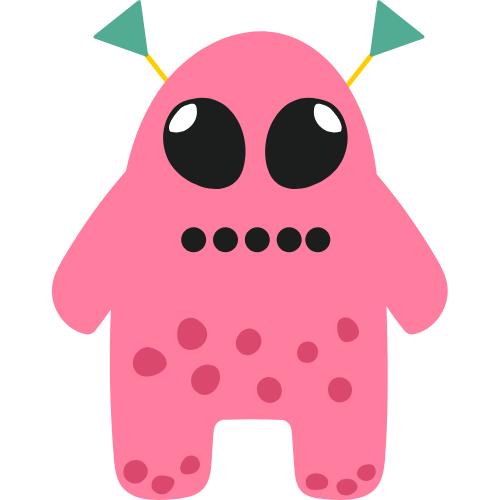
ワレワレ ハ ウチュウジン ダ

我々 は 宇宙人 だ

われわれ は うちゅうじん だ
日本人にとって、カタカナが圧倒的にしっくりきます。なぜなら、カタカナには感情がこもっていない、機械的で無機質な感覚があるからです。この宇宙人は、地球に来たばかりで、感情を持たない「得体のしれない何か」という印象を受けます。
一方、漢字のセリフは、宇宙人が人間に擬態して何十年も地球に住んでいるような、人間くさい印象です。
3番のひらがなだけの文は、なんとなく柔らかくて、地球に来たばかりの「かわいい宇宙人」のように感じられます。
動物の呼び方で変わる「愛情」のカタチ
次に、身近な生き物を例に考えてみましょう。
学術的な分類としては、カタカナの「ヒト」が使われます。これは客観的で無機質な印象です。これに対して異論はないと思います。
では、ネコはどうでしょう。
- ひらがなの「ねこ」: 一番愛情を表現できます。ねこの柔らかくてふわふわした雰囲気にぴったりです。
- 漢字の「猫」: 少しお堅い印象で、距離を感じます。
- カタカナの「ネコ」: 客観的な印象ですが、ちょっとツンデレなネコちゃんなら雰囲気に合います。
私はネコが好きなので、やはり愛情を込めて「ねこ」と書きたいです。文字の種類だけで、これほど印象が変わるのは面白いと思いませんか?
English Summary: The Personality of Japanese Scripts
Beyond grammatical functions, the choice of Japanese script—Hiragana, Katakana, or Kanji—adds a psychological “feeling” or nuance to a word.
- Katakana: Often conveys a “lifeless,” inorganic, or detached feeling. This is why it’s perfect for the classic “alien” phrase, making them seem devoid of emotion. It can also feel objective and academic, like “ヒト” (human) as a biological category.
- Hiragana: Conveys warmth, softness, and deep affection, like writing “ねこ” (cat) to show your love.
- Kanji: Can give a formal, slightly rigid, and objective impression.
This innate understanding of script nuances is why the same word can evoke totally different emotions. As a Japanese learner, paying attention to these subtleties will help you better understand the heart of the Japanese language.
Vocab List
ニュアンス
Nounce
にゅあんす:Nuance
例 外国語は文法よりもニュアンスを理解するのが一番難しいと思う。
I think the most difficult thing about a foreign language is understanding the nuances rather than the grammar.
無機質
Nounce
むきしつ:Inorganic / Lifeless / Detached
例 スマホは無機質な板なのに、失くすと心配になって落ち着かない。
Even though a smartphone is just a lifeless slab, losing it makes me anxious and restless.
しっくりきます
Verb G3
しっくりきます:To fit perfectly / To feel right
例 誰かと二人で歩く時、左側を歩く方がしっくりくる。
When walking with someone, I feel more comfortable walking on the left side.
得体のしれない
Expression
えたいのしれない:Strange / Mysterious / Unidentifiable
例 その映画を見終わったとき、得体のしれない恐怖を感じた。
When I finished watching that movie, I felt an inexplicable dread.
擬態します
Verb G3
ぎたいします:To mimic / To camouflage
例 あのモデルは一般人に擬態したつもりだったけど、スタイルが良すぎてすぐに身バレした。
That model tried to blend in as an ordinary person, but her figure was too perfect, so she was immediately recognized.
圧倒的に
Adverb
あっとうてき に:Overwhelmingly ※Noun:圧倒的自信 /圧倒的な圧力
例 大谷選手は圧倒的に強い。逆境にも負けないし、どんどん成長していく。
Ohtani is overwhelmingly strong. He never gives in to adversity and keeps growing stronger.
機械的
Noun
きかいてき:Mechanical ※Na-adj :機械的な動き /Adverb :機械的に食べます
例 機嫌が悪くて機械的に返事したら、相手を怒らせてしまった。
I was in a bad mood and replied mechanically, which ended up making the other person angry.
お堅い
I-adj
おかたい:Formal / Rigid
例 先生はお堅い職業だと思っていたが、山田先生はかなりおもしろくて、授業中ずっと笑っている。
I thought teachers were a stiff profession, but Mr. Yamada is quite funny, and I laugh throughout his entire class.
学術的
Noun
がくじゅつてき:Academic ※Na-adj :学術的な考え /Adverb :学術的に答える
例 その考えは学術的には妥当だが、我が社の実態とは合っていないと思います。
That idea is academically sound, but I don’t think it fits our company’s actual situation.
ツンデレ
Noun
ツンデレ:Tsundere (a character archetype who is cold on the outside but warm on the inside)
※A word combining the onomatopoeia “tsun tsun” and “dere dere”ーツンツン:prickly /デレデレ:Be lovey-dovey
例 ねこは基本的にツンデレで、いぬはとても従順なイメージがある。
Cats are generally tsundere, while dogs have a very obedient image.







Comments