

Japan is one of the most earthquake-prone countries in the world, accounting for 20% of global tremors.
Since precise prediction is difficult, understanding the basics and staying prepared is key to staying safe.
地震のニュースでよく聞く言葉
日本で地震が起きたとき、ニュースで必ず出てくる2つの重要な言葉があります。
- 震度(しんど): その場所で「どのくらい揺(ゆ)れたか」を示す指標(しひょう)です。震源(しんげん)からの距離(きょり)によって変わります。
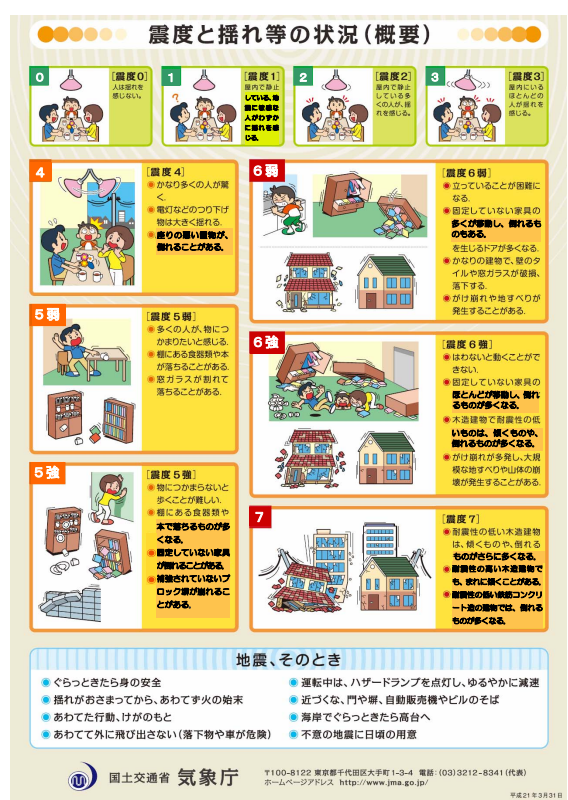
- マグニチュード: 地震そのものの「エネルギーの大きさ」を表します。一般的にマグニチュード7以上で大地震、8以上で巨大(きょだい)地震と呼ばれます。
「地震予知(よち)」はできるのか
天気予報のように「明日、ここで地震が起きます」と言えればいいのですが、地震予知は非常に難しいです。
ですから、一番現実的(げんじつてき)なのは、建物の免震(めんしん)基準をしっかり守ることや、私たち一人ひとりが「防災(ぼうさい)リテラシー」を高めることです。
日本旅行を楽しむための「備え」
せっかく日本に旅行に来ても、地震が起きてパニックになっては楽しめません。 旅行先でスリや病気に気をつけるのと同じように、地震についても事前の準備(じゅんび)が必要です。
- 避難所(ひなんじょ)の場所を把握(はあく)する。
- 緊急地震速報(きんきゅうじしんそくほう)の音に慣れておく。
- 飲み水やモバイルバッテリーを少し多めに持っておく。

知識(ちしき)があるだけで、万が一(まんがいち)の時の安心感が変わります。
English Summary: Knowledge is Your Best Defense
While we cannot predict exactly when an earthquake will strike, we can prepare for one. In Japan, “Shindo” measures local intensity while “Magnitude” measures the energy of the source. Understanding these terms and knowing what to do when an alert sounds—such as checking evacuation routes and keeping a battery pack handy—is essential for any traveler. Staying calm and informed turns fear into safety.
Vocab List
地震大国
・Noun
・じしんたいこく:Earthquake-prone country
例 日本は日常的に地震があって、地震大国と言われています。
Japan experiences earthquakes on a daily basis and is known as a country prone to earthquakes.
震源地
・Noun
・しんげんち:Epicenter
例 巨大地震の場合、震源地から遠く離れていても揺れを感じることがある。
In the event of a major earthquake, you may feel the tremors even if you are far from the epicenter.
揺れ
・Noun
・ゆれ:Shaking / Tremor
例 車を運転していると揺れを感じにくい。
It’s hard to feel the shaking when driving.
甚大な 被害:Enormous damage
・Expression
・じんだい な ひがい:Enormous damage
例 南海トラフ地震は日本列島に甚大な被害が出ると予想されている。
The Nankai Trough earthquake is expected to cause extensive damage to the Japanese archipelago.
予知
・Noun
・よち:Prediction / Foresight
例 地震予知が正確にできる未来は来るのかな?
Will there ever be a future where we can accurately predict earthquakes?
免震
・Noun
・めんしん:Seismic isolation
例 昔は耐震だったけど、最近は揺れを逃がす免震が主流だ。
In the past, buildings were designed to resist earthquakes, but these days, seismic isolation—which allows the building to absorb the shaking—is the mainstream approach.
防災リテラシー
・Noun
・ぼうさい りてらしー:Disaster prevention literacy
例 防災リテラシーを高めておくに越したことはない。
It’s always a good idea to stay prepared.
把握します
・Verb G3
・はあくします:To grasp / To understand / To locate
例 自分の学力を把握していないと、対策のしようがない。
If you don’t know your own academic level, there’s no way to prepare.
万が一
・Expression
・まんがいち:Just in case / By any chance
例 万が一海外でポスポートを失くしたら、コピーを持って領事館に行きなさい。
If you happen to lose your passport while abroad, bring a copy to the consulate.
尽きます
・Verb G2
・つきます:To be limited to / To come down to
例 宝くじで10億円当たったので、もう運が尽きたと思う。
I won 1 billion yen in the lottery, so I think my luck has run out.




Comments